Several Eugenia species, such as Eugenia uniflora and Eugenia jambolana, contain phenolic compounds and essential oils with reported antioxidant, anti‑inflammatory, and antimicrobial properties, used in traditional medicine for digestive ailments and minor infections.
🔊 Listen
Eugenia trees are valued for their ornamental foliage, fruit production, and ability to thrive in warm climates while providing shade, visual screening, and habitat for birds and insects.
🔊 Listen
Eugenia trees are valued for their ornamental foliage, fruit production, and ability to thrive in warm climates while providing shade, visual screening, and habitat for birds and insects.
🔊 Listen
Several Eugenia species, such as Eugenia uniflora and Eugenia jambolana, contain phenolic compounds and essential oils with reported antioxidant, anti‑inflammatory, and antimicrobial properties, used in traditional medicine for digestive ailments and minor infections.
🔊 Listen
150 years
🔊 Listen
15 meters
🔊 Listen
Native
🔊 Listen
⚠️ My-Tree is not responsible for misuse. Always consult a qualified professional before using any plant material.
🌱 Story of Eugenia
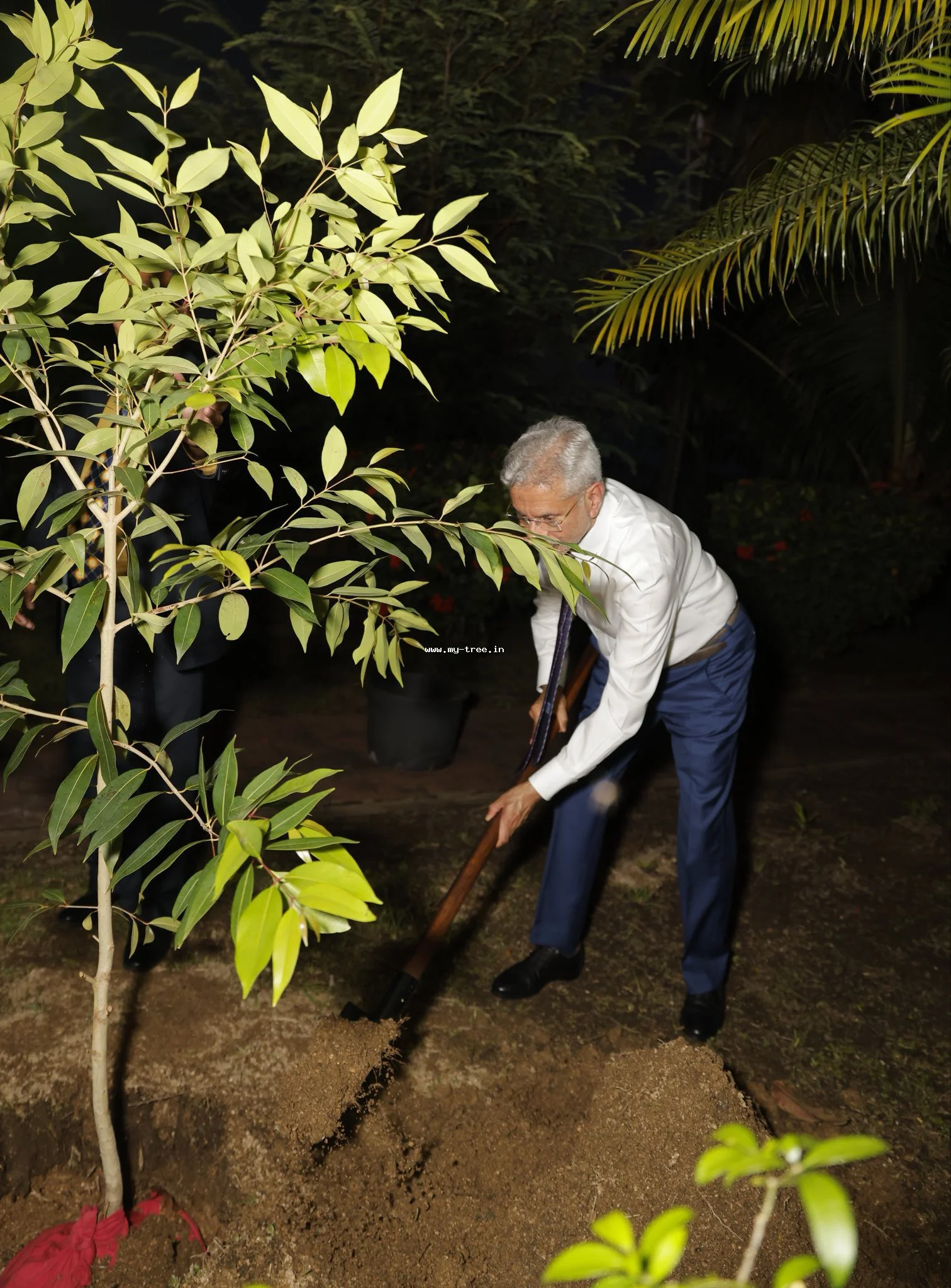
Eugenia is a genus of tropical and subtropical evergreen trees and shrubs in the myrtle family (Myrtaceae), known for dense foliage, small white flowers, and often edible fruits such as Surinam cherry. Many species are used in landscaping for hedges and shade, and they support birds and small wildlife.
This tree heals the planet
Every single day, Eugenia gives back
☁️ CO₂ Absorbed
25 kg/yr
≈ 125 km of car emissions offset annually
💨 Oxygen Released
18 kg/yr
💧 Water Conserved
4,250 L/yr
50
Age
15.0m
Height
150yr
Lifespan
Sapling
Stage
📋 Details
🌿
Family
Myrtaceae
📍
Native Status
🏙️
City
Paramaribo, Suriname
🗺️
Location
Campus
🩺 Medicinal Properties
Several Eugenia species, such as Eugenia uniflora and Eugenia jambolana, contain phenolic compounds and essential oils with reported antioxidant, anti‑inflammatory, and antimicrobial properties, used in traditional medicine for digestive ailments and minor infections.
✨ What makes Eugenia special
Eugenia trees are valued for their ornamental foliage, fruit production, and ability to thrive in warm climates while providing shade, visual screening, and habitat for birds and insects.